
The bond between a human and their pet is priceless, but as any modern pet owner knows, the actual cost of maintaining that bond is rising steadily. Between inflation in the veterinary sector and the premiumization of pet food and services, the “annual cost of ownership” can easily climb into the thousands. However, being a responsible pet owner doesn’t have to mean financial instability. By applying strategic planning, proactive health measures, and savvy consumer habits, you can drastically reduce your out-of-pocket expenses while actually improving the quality of life for your animal companions. This guide explores the depths of pet economics, offering actionable advice to help you navigate the financial responsibilities of pet parenthood.
1. Building a Foundation with Preventive Medical Care

The most effective way to save money on pet health is to ensure your animal never gets sick in the first place. This sounds obvious, but many owners skip annual wellness exams to save a hundred dollars, only to face a three-thousand-dollar bill later for a condition that could have been caught early. Establishing a rapport with local veterinarians is the first step. These professionals can provide a baseline for your pet’s health, helping you identify trends in weight or blood chemistry that signal future issues.
To find the best value for your routine care, you should perform a localized search for veterinarians near me and compare their “wellness package” offerings. Many clinics now offer monthly subscription plans that bundle vaccinations, heartworm prevention, and dental cleanings into a manageable monthly fee, often at a 20% discount compared to paying for each service individually.
-
Schedule regular cleanings: Dental disease leads to heart and kidney issues.
-
Keep weight in check: Obesity is the leading cause of expensive diabetes and joint surgeries.
-
Vaccinate strategically: Discuss lifestyle-based vaccines with your vet to avoid paying for shots your pet doesn’t actually need.
2. Managing the High Costs of Specialized Breeds
The type of pet you choose significantly dictates your long-term financial trajectory. For example, owning a large-breed cat like a maine coon involves more than just a higher initial purchase price or adoption fee. These animals require larger litter boxes, more calorie-dense food, and are prone to specific hypertrophic cardiomyopathy which requires specialized screening. They also have dense coats that can mat easily, leading to skin infections if neglected.
Beyond the biological needs, large or active pets can be hard on your home. If you aren’t careful, you may find yourself constantly replacing your furniture due to scratches, stains, or heavy wear. To save money here, invest in high-denier fabrics or “pet-proof” covers early on. Buying a $50 heavy-duty cover is significantly cheaper than reupholstering a sofa or buying a new armchair every three years. You can also look into modular pieces where only one section needs to be replaced if damaged.
-
Research breed-specific ailments: Know what to budget for before you bring the pet home.
-
Groom at home: Professional grooming for long-haired breeds can cost $100+ per session; buying professional clippers pays for itself in two uses.
3. Smart Strategies for Emergency Situations
No matter how careful you are, accidents happen. The difference between a financial hiccup and a total crisis often comes down to where you take your pet when the lights are low. While your primary vet is for 9-to-5 care, knowing the location of a reputable animal urgent care center is vital. These facilities are often slightly more expensive than a standard vet but significantly cheaper than a 24-hour emergency trauma hospital. They can handle stitches, minor toxins, and infections that shouldn’t wait until Monday.
To manage these “shock” costs:
-
Audit your insurance: Look for policies that offer “direct pay” to the vet so you aren’t waiting weeks for a reimbursement check.
-
Build a “Sinking Fund”: Set aside $30–$50 a month in a high-yield savings account specifically for medical surprises.
-
Ask for an estimate first: In a crisis, it’s easy to say “do whatever it takes,” but asking for a tiered treatment plan can help you choose the most cost-effective path to recovery.
4. Maximizing Value in Daily Supervision
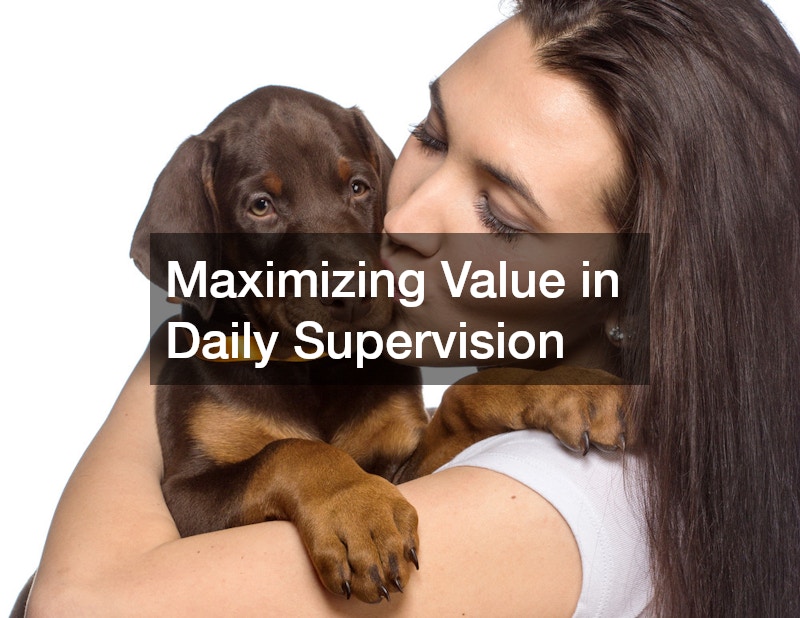
For working professionals, daily pet care is often a necessity. However, the costs of daily enrichment can vary wildly. Some owners find that cat daycare provides a necessary outlet for high-energy indoor cats, preventing them from destroying the house out of boredom or developing separation anxiety. For others, a standard daycare for dogs is a way to ensure socialization and exercise, which can reduce destructive behaviors at home.
To save money on these daily services:
-
Look for “Half-Day” options: Often, a pet only needs four hours of social interaction to be tired for the rest of the day.
-
Package deals: Buying a 20-day pass upfront usually nets a 10–15% discount over the daily drop-in rate.
-
Barter with neighbors: Consider a “co-op” style arrangement where you watch a neighbor’s pet on your day off in exchange for them doing the same. This builds community and costs zero dollars.
5. Economical Choices for Overnight Stays
Travel is one of the most expensive aspects of pet ownership. When you can’t take your pet with you, you are faced with a variety of choices ranging from basic to extravagant. Many traditional boarding kennels offer a functional, safe environment for a fraction of the cost of modern boutique stays. The key is to look for “a la carte” pricing where you only pay for the specific services—like extra play sessions or administration of medication—that your pet actually requires.
Additionally, consider the layout of the facility. Some older facilities are impeccably clean and well-staffed but lack the “Instagram-worthy” aesthetics of newer buildings. Choosing the former can save you $20 or more per night. Over a two-week vacation, that is nearly $300 back in your pocket for your own travel expenses.
-
Check for “Multi-Pet” discounts: If you have two dogs, many facilities will allow them to share a larger run for a discounted total price.
-
Off-peak booking: Just like hotels for humans, pet facilities often have lower rates during the mid-week or non-holiday seasons.
6. Evaluating Premium Lodging vs. Practicality
If your pet has high anxiety or specific medical needs, a standard kennel might not cut it. In these cases, a pet boarding hotel might be the preferred choice. These facilities usually offer individual rooms, 24/7 monitoring, and webcams. While the daily rate is higher, the “saving” comes from the peace of mind and the avoidance of “stress-induced” illnesses that can occur in louder, more crowded environments. Stress can lead to colitis or “kennel cough,” both of which result in vet bills after you return.
If you are looking for long-term dog boarding, transparency is your best financial friend. Always ask for a full breakdown of fees before checking in. Some places charge extra for “feeding your own food” or “administering heartworm pills.” Finding a facility that includes these basics in their flat rate will save you significant money over a ten-day vacation. Don’t be afraid to ask for a tour to ensure the facility matches the price tag.
7. Nutrition and Supply Chain Savings

Food is the most consistent expense in your pet’s life. While it is tempting to buy the cheapest bag on the shelf, low-quality fillers can lead to allergies and poor coat health, which increases your vet bills. The “sweet spot” for savings is buying high-quality, biologically appropriate food in the largest bulk size available.
Many owners find that buying the 30-pound bag instead of the 5-pound bag reduces the cost per pound by as much as 40%. Proper storage is key here; use airtight containers to ensure the fats in the food don’t go rancid before you reach the bottom of the bag. You can also mix a premium kibble with a high-quality “topper” to stretch your budget further while maintaining a high nutritional profile.
-
Calculated feeding: Use a kitchen scale instead of a measuring cup. Overfeeding by just 10% can cost you hundreds of dollars over the life of the pet.
-
Auto-ship discounts: Most online retailers offer 5% to 10% off for recurring deliveries.
-
Generic medications: Ask your vet for a written prescription and shop at human pharmacies or reputable online pet pharmacies for items like heartworm and flea prevention.
8. DIY Enrichment and Training
Professional training sessions can cost between $50 and $150 per hour. While some behavioral issues require a professional, basic puppy training or “house manners” can be handled at home using free resources. Training is a hidden cost saver; a well-trained dog doesn’t jump on guests (saving you from potential liability) and doesn’t bolt out the door (saving you from emergency search and rescue costs).
-
YouTube University: There are thousands of hours of high-quality training footage from certified behaviorists available for free.
-
DIY Toys: A discarded t-shirt braided into a rope or a plastic bottle inside a sock can provide hours of entertainment for a fraction of the cost of a “designer” toy.
-
Grooming: Learn to trim your pet’s nails. This simple task, done once a month, saves you $20 per visit and prevents expensive paw pad and joint issues in older pets.
9. Community Resources and Assistance
Many pet owners are unaware of the community-level support available to help keep pets in homes. If you are going through a difficult financial patch, look for local “Pet Food Pantries” or low-cost spay and neuter clinics. These organizations are dedicated to reducing the number of animals surrendered to shelters due to financial hardship.
Furthermore, many local governments offer subsidized licensing and microchipping. A microchip is a one-time fee that can save you the thousands of dollars it might cost to find a lost pet through posters and advertising. It is the ultimate insurance policy for your pet’s safe return.
-
Shelter clinics: Many shelters host “Vaccine Saturdays” where you can get rabies and distemper shots for a nominal donation.
-
Vet teaching hospitals: If your pet needs a complex surgery, check if a nearby university with a veterinary program offers discounted rates for cases that help their students learn.
10. Long-Term Financial Forecasting

Finally, the best way to lower your annual expenses is to treat pet care like a business. Keep a spreadsheet of every dollar spent. When you see the cumulative total of “small” treats or impulse toy purchases at the checkout counter, it becomes much easier to cut back. Those five-dollar treats add up to sixty dollars a year—nearly the cost of an entire month’s worth of premium food.
Focus on the “Big Three”: Food, Health, and Shelter. If you can optimize these, the occasional luxury becomes a manageable treat rather than a financial burden. By staying informed, shopping around for the best rates, and prioritizing preventive health, you ensure that your pet remains a source of joy rather than a source of stress. True pet ownership is about the time spent together, not the amount of money spent on them.
Reducing your pet care expenses is a marathon, not a sprint. It requires a shift in mindset from being a passive consumer to an active, informed advocate for both your pet’s health and your own bank account. Whether it’s through finding a more affordable boarding option or simply learning to brush your pet’s teeth at home to avoid surgery, every small action adds up. Over the course of a pet’s life, these strategies can save you tens of thousands of dollars, money that can be better spent on shared experiences and a comfortable retirement for your furry friend. Consistency is key—start small, track your spending, and watch your savings grow alongside your pet’s well-being. Ultimately, the goal is to maximize the years you have with your pet while minimizing the financial friction that can sometimes cloud the experience of pet ownership.
In the end, financial responsibility is one of the greatest gifts you can give to your animal companion because it ensures you will always have the means to provide for them, even in lean times. By making these small adjustments to your daily habits and service choices, you create a buffer that protects both your lifestyle and your pet’s future. Investing your time into research and preventive care today will undoubtedly pay dividends in the form of a longer, healthier, and more affordable journey together.